openclaw tiktok automation

A Complete Guide to Scalable TikTok Growth

OpenClaw TikTok automation refers to a structured content and growth system that uses automation tools, data-driven strategies, and AI-assisted workflows to scale TikTok content production and audience engagement efficiently. Instead of manually creating every video and analyzing performance individually, OpenClaw TikTok automation focuses on building repeatable systems that automate research, content generation, scheduling, and performance analysis.
TikTok has become one of the most influential content platforms in the world. According to industry reports, the platform now has over 1 billion monthly active users, and the average user spends more than 90 minutes per day watching short videos. This enormous engagement creates significant opportunities for creators, brands, and businesses to reach large audiences.
However, the competition on TikTok is intense. Millions of videos are uploaded daily, making it difficult for individual creators to maintain consistent growth using manual processes alone. This is why many successful creators are turning to OpenClaw TikTok automation strategies, which combine automation, analytics, and scalable content workflows.
In this comprehensive guide, we will explore how OpenClaw TikTok automation works, the tools involved, real-world use cases, and practical strategies that help creators grow faster while reducing manual workload.
Understanding OpenClaw TikTok Automation
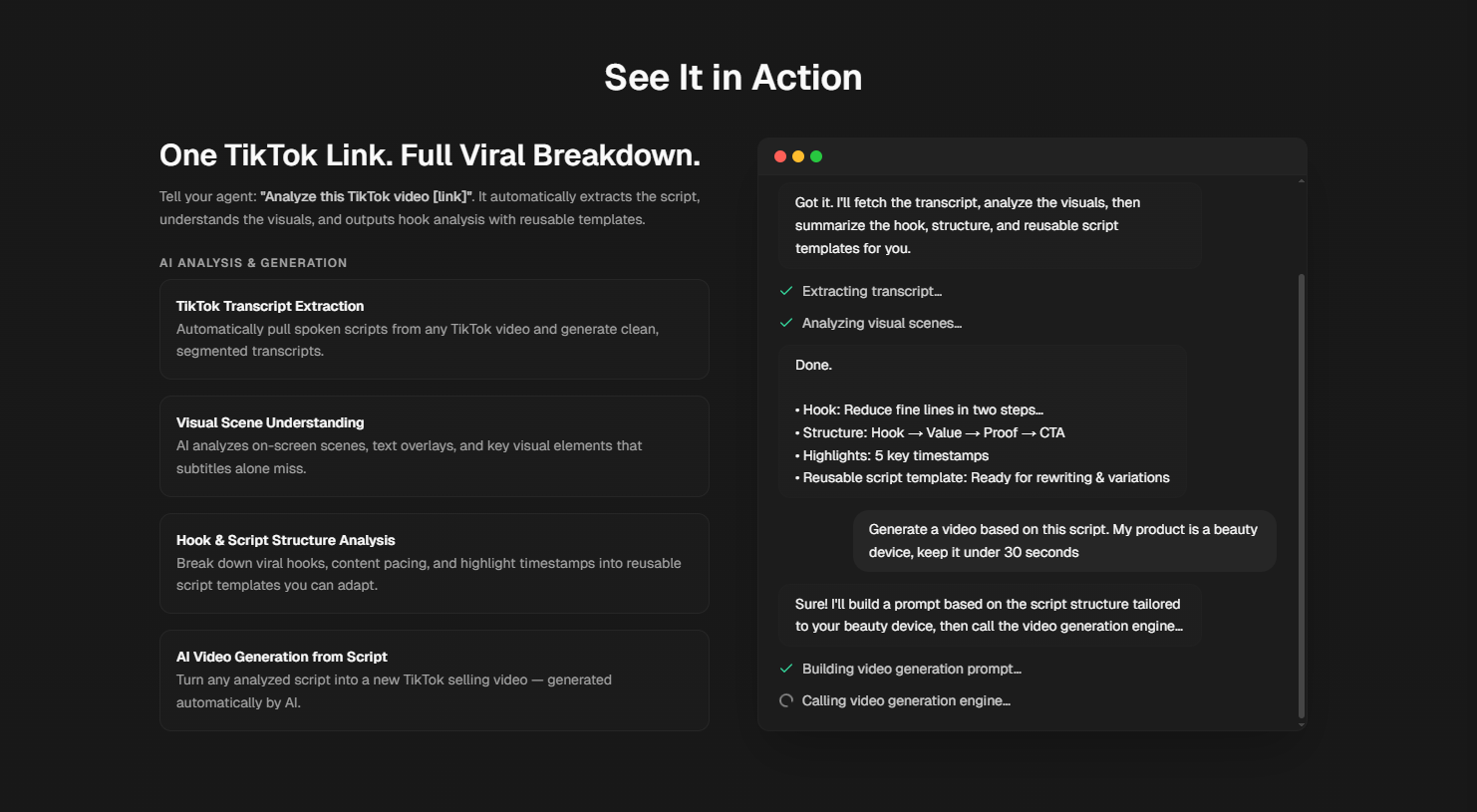
What Is OpenClaw TikTok Automation?
OpenClaw TikTok automation is a systematic approach to content production and performance optimization on TikTok. It combines automation tools, AI technologies, and structured workflows to streamline the entire TikTok growth process.
The main objective is to reduce repetitive tasks while increasing the consistency and scalability of content creation.
Core Components of OpenClaw TikTok Automation
Component | Purpose | Benefit |
|---|---|---|
Content Automation | Generate video ideas and scripts automatically | Faster production |
Scheduling Automation | Automatically publish content at optimal times | Consistent posting |
Data Analysis Automation | Track video performance metrics | Smarter decision-making |
Audience Engagement Tools | Manage comments and interactions | Increased engagement |
When implemented effectively, OpenClaw TikTok automation can dramatically improve efficiency while maintaining content quality.
Why Automation Is Becoming Essential for TikTok Growth
The Scale of TikTok Content Competition
TikTok is one of the fastest-growing content ecosystems. Every minute, thousands of videos are uploaded globally. Creators who rely solely on manual workflows often struggle to keep up with the platform’s speed.
Automation helps solve three major challenges:
Content production speed
Data analysis complexity
Posting consistency
For example, a creator posting manually might produce three videos per week, while an automated workflow could support two to five videos per day.
The Algorithm Rewards Consistency
The TikTok algorithm prioritizes accounts that post consistently and maintain strong engagement metrics.
Key ranking signals include:
Watch time
Completion rate
Likes and comments
Shares
Replays
Creators who use OpenClaw TikTok automation systems can maintain consistent posting schedules, which improves algorithm performance over time.
Key Features of an OpenClaw TikTok Automation System
Automated Content Ideation
One of the biggest challenges creators face is generating fresh video ideas regularly.
Automation tools can analyze:
Trending hashtags
Viral video formats
Audience behavior patterns
These insights help generate content ideas automatically.
Example Workflow
Identify trending TikTok topics
Generate script concepts using AI
Create multiple video variations
Test performance across different audiences
This process significantly reduces brainstorming time.
AI-Powered Video Production
Automation tools are increasingly capable of assisting with video creation itself.
AI tools can help with:
Script writing
Video editing
Caption generation
Voiceovers
Scene transitions
Benefits of AI Video Automation
Faster production cycles
Consistent visual quality
Scalable content output
Many modern creators integrate AI-based tools to produce multiple videos daily.
Automated Scheduling and Posting
Another key component of OpenClaw TikTok automation is automated scheduling.
Instead of manually posting content at random times, automation tools can publish videos when audience activity is highest.
Data-Driven TikTok Performance Analysis
Why Data Analysis Is Critical
TikTok success is not only about creativity. It also requires continuous data analysis.
Creators should regularly evaluate metrics such as:
Average watch time
Audience retention
Engagement rate
Video completion rate
Automation tools can collect and analyze these metrics automatically.
OpenClaw Content Framework for TikTok Automation
The Four-Stage Content Model
Many creators using OpenClaw TikTok automation adopt a structured content framework.
Stage 1: Attention Hook
Capture attention within the first two to three seconds.
Example hooks include:
A surprising statistic
A question
A dramatic visual
Stage 2: Context Setup
Explain the problem or topic briefly.
This gives viewers a reason to continue watching.
Stage 3: Key Insight or Demonstration
Deliver the main value of the video.
Examples include:
Tutorial steps
Demonstrations
Case studies
Stage 4: Engagement Trigger
Encourage viewers to interact.
Common tactics include:
Asking viewers to comment
Requesting opinions
Encouraging sharing
This improves engagement signals.
Real-World Example of OpenClaw TikTok Automation
Consider a small digital marketing agency that adopts an automated TikTok strategy.
Initial Situation
Manual video creation
Irregular posting schedule
Limited data analysis
Automation Implementation
The team introduced an automated workflow:
AI-generated video scripts
Batch content production
Automated scheduling
Weekly performance analysis
Common Mistakes When Using TikTok Automation
Over-Automation Without Creativity
Automation should support creativity, not replace it.
Creators who rely entirely on automated content risk producing repetitive videos.
Ignoring Audience Feedback
Automation systems should always incorporate viewer feedback.
Comments and engagement patterns provide valuable insights.
Posting Too Frequently Without Strategy
While automation enables high posting frequency, creators must still prioritize quality and relevance.
Best Practices for Implementing OpenClaw TikTok Automation
Creators can follow these strategies to maximize results.
Build a Content Testing System
Instead of relying on a single video format, test multiple formats regularly.
Examples include:
Educational videos
Story-based content
Behind-the-scenes clips
Product demonstrations
Testing reveals which formats perform best.
Maintain Consistent Branding
Even with automation, creators should maintain a recognizable style.
Elements to standardize include:
Visual themes
Color schemes
Caption style
Editing format
This strengthens brand identity.
Continuously Optimize Based on Data
Automation systems should evolve based on performance insights.
Creators should regularly review analytics and refine their content strategies.
The Future of TikTok Automation
Automation technology is advancing rapidly, and TikTok content creation will likely become even more data-driven.
Emerging trends include:
AI-generated video content
Predictive analytics for viral trends
Automated video editing tools
Personalized audience targeting
Creators who adopt structured systems like OpenClaw TikTok automation will be better positioned to scale their content and remain competitive.